
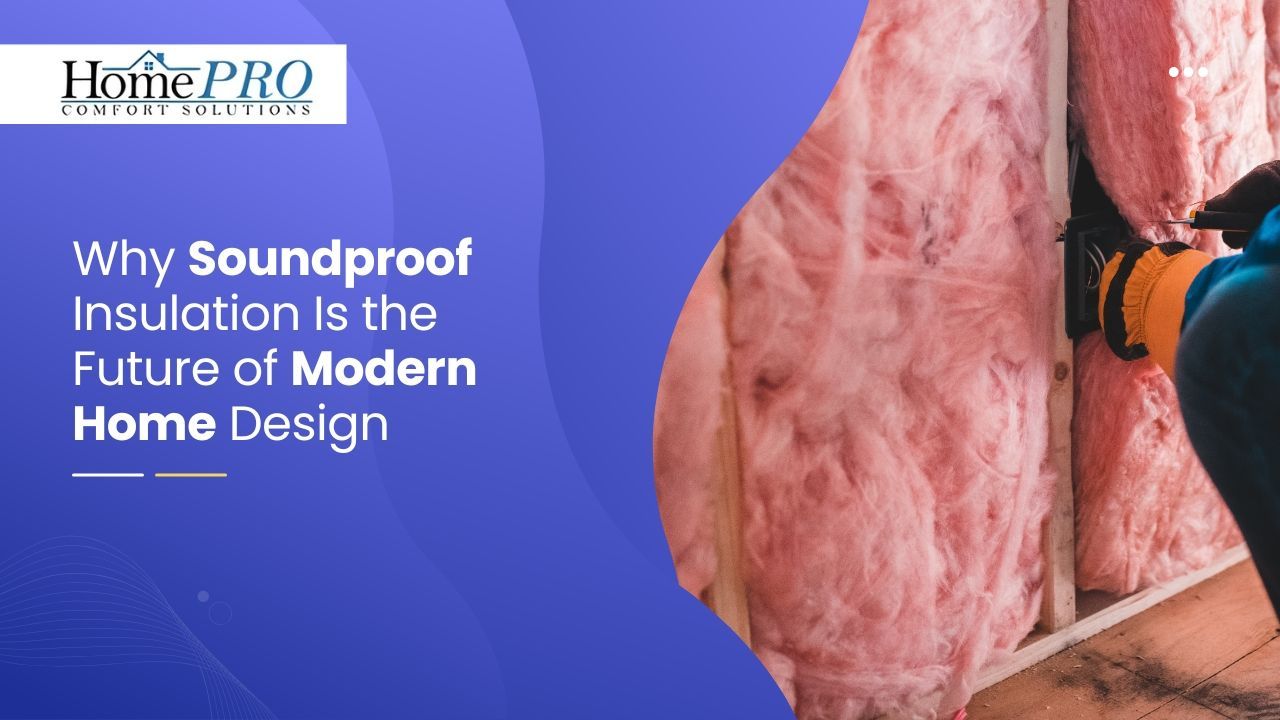
Why Soundproof Insulation Is the Future of Modern Home Design
The hum of the refrigerator, the roar of a distant lawn mower, the thump of your neighbor’s music, noise is the new air pollution. We live in a world filled with sound, where silence has become a luxury rather than a right. Homeowners are realizing something profound: comfort isn’t just about temperature; it’s about tranquility.
That’s where soundproof insulation enters the scene, not as a luxury feature for recording studios or home theaters, but as an essential ingredient in the recipe for modern home design. Today, comfort means quiet. Efficiency means control. And peace of mind means hearing only what you want to hear.
Welcome to the new frontier of home design, where walls don’t just keep the weather out; they keep the world out.
The Noise We Don’t Talk About
We talk about open layouts, energy-efficient windows, and smart thermostats. But rarely do we talk about what happens when those walls echo. The clatter of kids playing, the TV from the next room, or traffic sneaking through your bedroom window, they chip away at the sanctuary your home is supposed to be.
Sound fatigue is real. Studies show that constant exposure to ambient noise can increase stress, disrupt sleep, and even affect heart health. Yet, most homeowners don’t connect their tension headaches or restless nights to one simple culprit: poor
insulation and sound dampening.
In the rush to design beautiful homes, we often forget that beauty feels as much as it looks. That’s why designers, builders, and homeowners are beginning to treat room noise insulation as an investment, not an afterthought. It’s not just about quiet; it’s about reclaiming control over your environment, one decibel at a time.
Why Soundproof Insulation Is the Unsung Hero of Modern Living
The future of home design isn’t louder; it’s smarter. Homeowners are demanding more than square footage; they’re demanding comfort that extends beyond temperature and aesthetics. They want homes that feel peaceful, controlled, and safe.
That’s exactly where acoustic insulation steps in. Think of it as the invisible guardian of serenity, a material that quietly absorbs, blocks, and softens the sounds that shouldn’t cross your walls.
Soundproofing used to belong only in fancy penthouses and recording studios. But modern materials and construction advances have made sound-deadening insulation affordable, practical, and essential for every kind of home. From apartments to multi-story family houses, acoustic comfort has evolved into a modern necessity.
Imagine stepping into your living room after a long day and hearing nothing but stillness. No traffic. No pipes. No conversations bleeding through walls. That’s not just silence; that’s wellness.
And for forward-thinking homeowners and contractors, that’s the promise of HomePro Comfort Solutions, a brand that understands that a truly comfortable home isn’t just energy-efficient, it’s emotionally efficient.
Can Insulation Really Silence the Chaos of Modern Homes?
The short answer: yes, but not all insulation is created equal. Traditional insulation materials, such as fiberglass or foam, are designed primarily for temperature control. They keep your house warm in winter and cool in summer. But when it comes to wall sound reduction, they only do half the job.
Soundproofing insulation, however, is engineered differently. It’s denser, more fibrous, and layered in ways that trap sound waves before they bounce or travel. These materials don’t just slow the transfer of heat; they absorb and disperse vibrations, turning noise into silence.
Here’s where modern design meets physics:
- Mass and Density: The heavier and denser a material, the better it blocks sound.
- Absorption: Specialized fibers capture sound waves, reducing echo and reverberation.
- Decoupling: Layered insulation systems create a break in the wall structure so sound waves can’t travel easily.
Combine these principles, and you get insulation that doesn’t just manage air, it manages peace. So, if your walls could talk, they’d probably say, “It’s time to quiet down.”
The Science Behind Acoustic Comfort
Silence isn’t the absence of sound; it’s the control of it. That’s what soundproofing insulation material achieves: it manages the invisible architecture of sound inside your home. When you think about sound-absorbing insulation, imagine millions of tiny fibers working together, catching sound waves, and neutralizing them before they bounce. Every laugh, every step, every hum, softened.
Architects and builders are now using soundproofing a room as a foundational step in construction. From home offices to entertainment rooms, acoustic comfort is a design choice that shapes how people feel inside their spaces.
In fact, one of the biggest trends in modern home design is “sensory architecture”, a design philosophy that focuses on how homes feel, sound, and function, not just how they look. Acoustic insulation plays a starring role in that movement. Because here’s the truth: when a home sounds peaceful, it feels luxurious.
What Makes Soundproofing Insulation Different from Regular Insulation?
It’s easy to confuse soundproofing insulation with the insulation you use to keep your house warm. After all, both live behind the same drywall. But while traditional insulation controls temperature, sound-deadening insulation controls emotion; it turns sound into serenity.
Let’s break down how it works differently:
- Structure: Regular insulation is lighter and airier, meant to trap air. Soundproof insulation is dense, designed to trap sound.
- Purpose: One keeps your HVAC system efficient. The other keeps your mind calm.
- Performance: Regular insulation cuts your energy bills. Soundproof insulation cuts your stress levels.
Think of it as upgrading from a basic door lock to a smart security system; both protect you, but only one gives you control. That’s why modern builders and homeowners are embracing the best insulation for soundproofing as a cornerstone of high-performance homes. It’s not about chasing silence; it’s about designing control. When you choose materials that soften life’s chaos, you aren’t just building a house, you’re building a state of mind.
A Quiet Revolution in Design and Wellbeing
Home design has always evolved with human needs. We built thicker walls for warmth, installed glass windows for light, and added HVAC systems for air comfort. Now, the evolution continues, this time, for sound.
Noise control is becoming the new standard for livable luxury. From wellness homes to energy-smart remodels, acoustic peace is part of what makes a space feel complete.
And brands like HomePro Comfort Solutions are leading the way, bridging the gap between traditional insulation performance and modern soundproofing innovation.
Can a Peaceful Home Boost Productivity and Happiness?
Here’s a truth modern science keeps proving: silence isn’t just golden, it’s transformative. When noise levels drop, your brain stops fighting distractions. You think clearly. Sleep deeper. Feel calmer.
Imagine working from home where your thoughts aren’t constantly interrupted by barking dogs, traffic, or the echo of voices from the next room. That’s what room noise insulation does: it builds invisible boundaries that let your mind breathe.
Families who invest in acoustic insulation often report feeling more balanced and focused. Children study better, professionals work without distraction, and even conversations feel more personal because the background hum is gone.
Quiet, it turns out, is not just the absence of noise; it’s the presence of mindfulness. And that’s the direction home design is heading: a movement toward acoustic wellness, where serenity is not an indulgence but a design principle.
Where Design Meets Emotion: The Aesthetic Value of Silence
When homeowners plan a remodel, they usually think in visuals, new floors, lighting, and wall colors. Yet, the sound of a room influences its mood more than its look. A kitchen that echoes feels cold. A living room that absorbs sound feels warm.
That’s the invisible power of sound-absorbing insulation; it changes perception without changing décor. It allows designers to play with openness and minimalism without the unwanted echo. It lets modern architecture breathe while maintaining intimacy.
Picture this: a glass-walled living area with high ceilings. Beautiful? Absolutely. But without insulation and sound dampening, it can sound like a tunnel. With soundproofing installed, it feels like a sanctuary.
The next generation of architects knows this. That’s why they treat soundproofing insulation material as integral as lighting or flooring. Because silence, like light, shapes how we experience space.
Is Soundproof Insulation Only for New Homes?
Not at all, and that’s the most exciting part. Modern soundproofing room solutions aren’t limited to new construction. Retrofitting existing homes is simpler than most homeowners imagine. Specialized materials like acoustic batts, resilient channels, and sound-deadening insulation panels can be added to walls, ceilings, and floors during small renovations, often without tearing everything down.
Even simple changes like upgrading attic or basement insulation can dramatically reduce sound transfer. So whether you’re living in a brand-new building or a 1980s suburban home, soundproofing isn’t about when your house was built; it’s about when you decide it should feel better.
And this is where HomePro Comfort Solutions brings expertise that bridges both sides, new construction and existing homes, offering tailored insulation upgrades that prioritize both comfort and performance.
The Technology Behind the Quiet
The evolution of soundproofing insulation is a blend of innovation and intention. Gone are the days of bulky foam panels or outdated materials that compromise aesthetics. Today’s options are elegant, eco-friendly, and engineered with precision.
Some of the most effective soundproofing insulation materials include:
- Mineral Wool (Rockwool): Naturally fire-resistant, dense, and exceptional at
wall sound reduction.
- Fiberglass Insulation: A classic solution now redesigned for both thermal and
acoustic insulation benefits.
- Cellulose Insulation: Made from recycled fibers, it’s sustainable and excellent for both energy efficiency and
sound deadening.
- Acoustic Foam Panels: Perfect for targeting specific noise-prone areas like home studios or offices.
The real magic happens when these materials are strategically combined, layered, sealed, and installed using modern techniques that stop both vibration and airborne sound. And that’s exactly what leading professionals focus on today: not just insulating walls, but curating soundscapes.
How the Future Sounds: The Next Chapter of Smart Homes
We already have smart thermostats that adjust temperatures and smart lights that mimic natural daylight. The next big leap? Smart acoustics, systems designed to adapt and manage noise intelligently.
In the next decade, soundproofing a room won’t just mean adding insulation; it’ll mean integrating sensors and adaptive materials that respond to changes in ambient sound. Imagine walls that automatically adjust density based on surrounding noise. This isn’t science fiction. It’s the natural progression of comfort technology.
And brands that focus on genuine comfort, like HomePro Comfort Solutions, are already aligning with this shift. Their goal isn’t just to reduce noise today; it’s to anticipate the needs of tomorrow’s homeowners, where every wall, ceiling, and surface contributes to emotional wellness. The homes of the future won’t only save energy. They’ll protect peace.
How Does Sound Proofing Affect Energy Efficiency?
That’s one of the most overlooked benefits. The materials that block sound also happen to be excellent thermal barriers. When you install soundproofing insulation, you’re effectively sealing air gaps and thickening wall density, both of which minimize temperature fluctuations.
This dual performance means:
- Lower utility bills year-round.
- Consistent indoor climate control.
- Less strain on your HVAC system.
So, when you invest in noise control, you also invest in sustainability. That’s the beauty of holistic insulation design: it doesn’t choose between energy and emotion; it delivers both. The best homes are not just quiet; they’re conscious.
Redefining Comfort: The Emotional ROI of Quiet
What’s the return on investing in silence? For most homeowners, it’s not just numbers; it’s feelings. It’s hearing your own thoughts while cooking dinner. It’s finishing a book without background distractions. It’s your child sleeping peacefully through the night. Soundproof insulation gives homeowners something deeper than savings; it gives them ownership of their environment.
The modern definition of luxury isn’t marble countertops or high-end finishes. It’s control. And acoustic control is fast becoming one of the most sought-after features in real estate, because homes that sound peaceful sell peace.
The Quiet Conclusion: Building Homes That Listen
When we design homes that listen, that adapt, soften, and protect, we aren’t just building structures. We’re building lifestyles. The world outside grows louder every year: traffic, construction, devices, notifications. But inside, there should be calm, a pause, a sense of grounding.
That’s the heart of modern home design. It’s not about excess. It’s about essence. And soundproofing is its quiet revolution, one that begins with walls that whisper peace instead of echo chaos. Because the homes that last aren’t just well-built; they’re well-heard.
FAQs
How to use soundproof walls for streaming?
If you’re a streamer, podcaster, or content creator, controlling background noise is your secret weapon. Use soundproofing insulation material behind drywall or inside partition walls to block exterior sounds. Add sound-absorbing insulation or acoustic panels on interior walls to minimize echo and improve clarity. HomePro Comfort Solutions insulation experts can help create that professional-quality quiet, without overhauling your entire setup.
What is the best soundproofing material?
The best material depends on your space, but mineral wool and fiberglass acoustic insulation remain top choices for versatility and affordability. For studios or media rooms, layered combinations of dense sound-deadening insulation and acoustic foam work best. A professional inspection ensures you choose a solution that fits your home’s structure and lifestyle goals.
Does insulation help with sound?
Absolutely. High-quality insulation not only regulates temperature but also controls noise transfer between rooms and floors. Installing
soundproofing insulation can reduce airborne noise by up to 50%, making your home quieter and more energy-efficient at the same time. It’s a two-for-one investment in peace and performance, the very definition of smart modern living.