
5 Home Upgrades That Maximize the Energy Efficient Home Improvement Tax Credit
It’s easy to think energy efficiency is just about saving a few dollars on your electric bill. But here’s the truth: when you make smart upgrades, you’re not just trimming your monthly costs, you’re creating a home that pays you back every single year.
The U.S. government knows this, too. That’s why programs like the Energy Efficient Home Improvement Credit (25C) exist, to reward homeowners who invest in smarter, greener homes. Yet, many families never realize how much they can save because they simply don’t know which upgrades qualify.
This isn’t about trendy sustainability talk; it’s about tangible comfort, real savings, and financial rewards you can track. So let’s break it down.
Why Energy Efficiency Is the Smartest Home Investment Today
Every homeowner has that one space that feels off. Maybe it’s the upstairs bedroom that never stays cool or the crawlspace that always feels damp. You could ignore it, or you could turn it into an opportunity.
Energy-efficient upgrades are more than home fixes. They’re value amplifiers. They enhance comfort, cut waste, and, most importantly, open doors to home energy improvement credits and long-term financial relief.
According to the latest IRS guidelines, the energy-efficient home improvement credit lets you claim up to 30% of qualified expenses for certain energy upgrades each year through 2032. That includes insulation, HVAC systems, windows, doors, and even electrical improvements that support cleaner energy.
And here’s the catch: you can’t claim these benefits unless the products meet federal efficiency standards. That’s where partnering with experts who understand both the installation and the qualification criteria, like HomePro Comfort, can make a difference.
1. Insulation: The Hidden Hero of Tax-Smart Savings
Ever walked upstairs and felt like you entered another climate zone? That’s your insulation, or lack of it, talking.
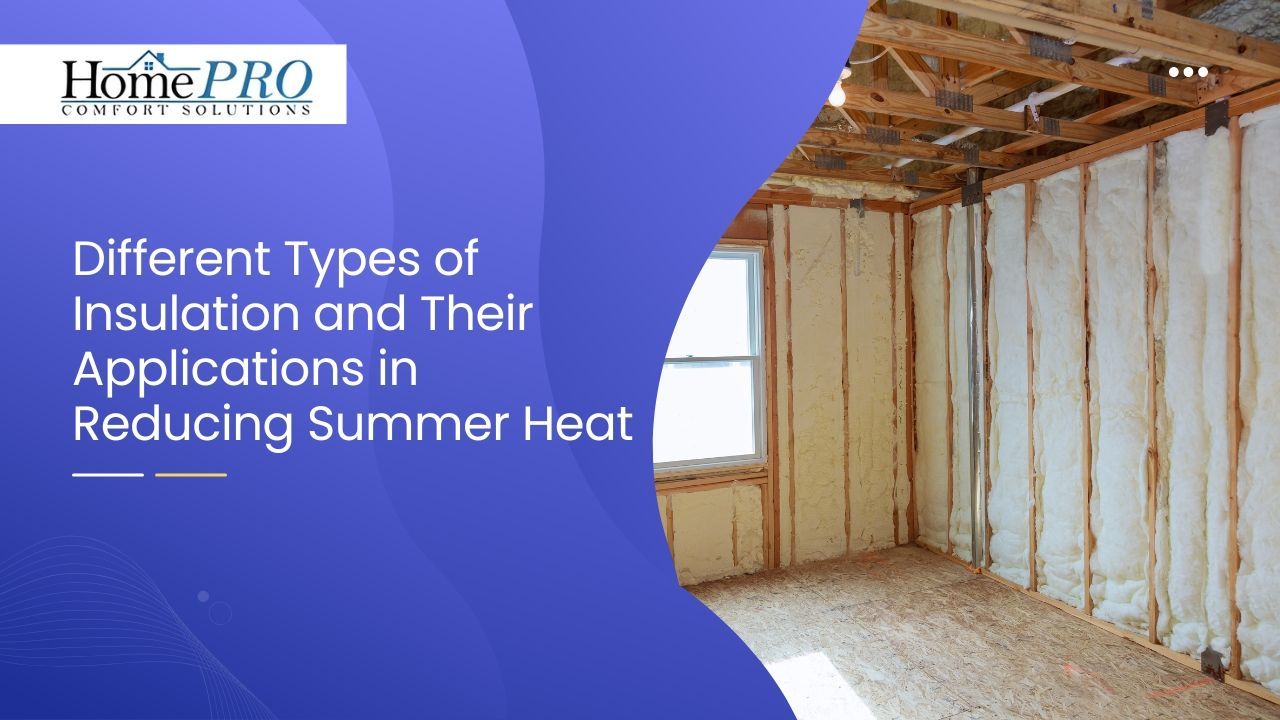
Insulation is often overlooked, but it’s one of the simplest, most cost-effective ways to qualify for the tax credit for home improvement. Under Section 25C, you can claim 30% of insulation costs, up to $1,200 per year.
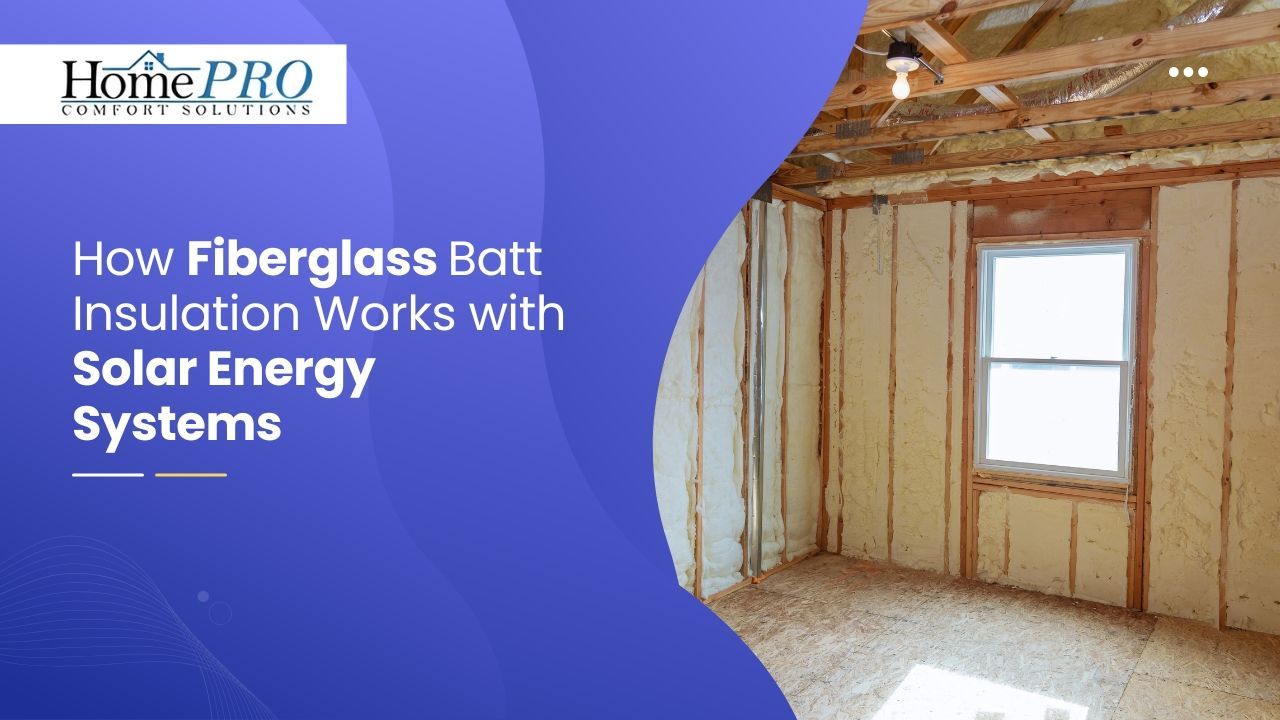
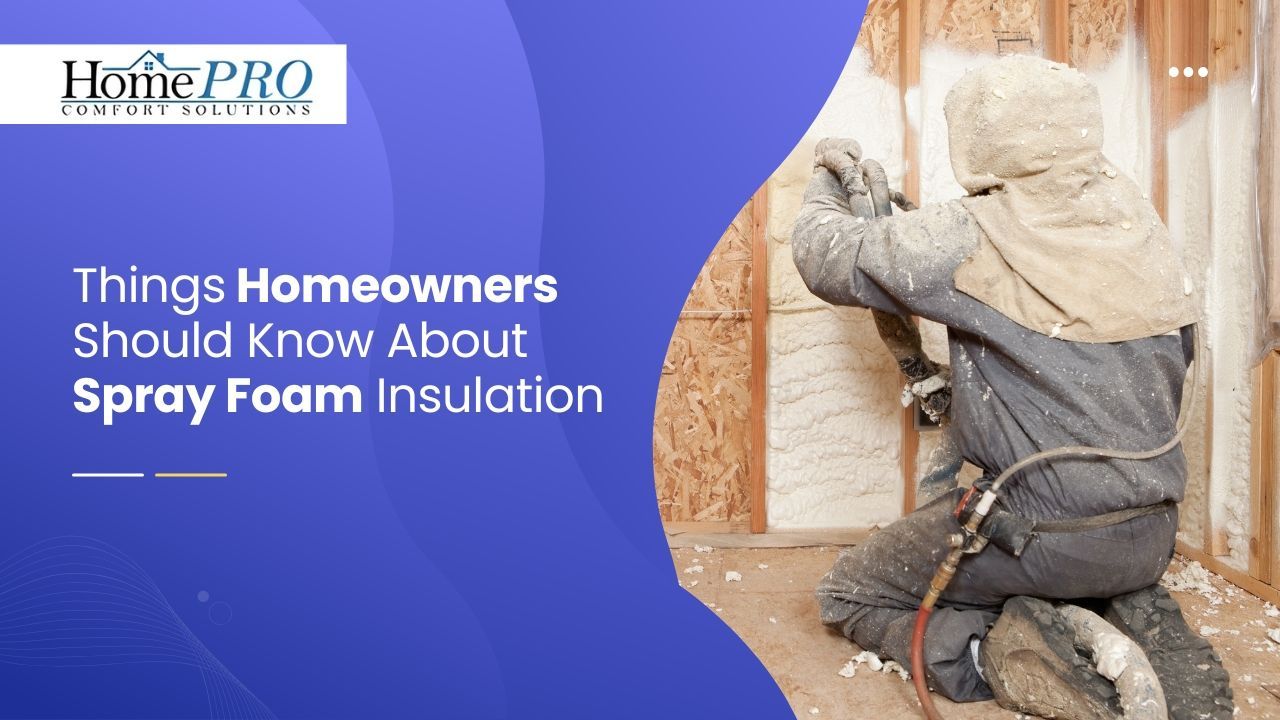
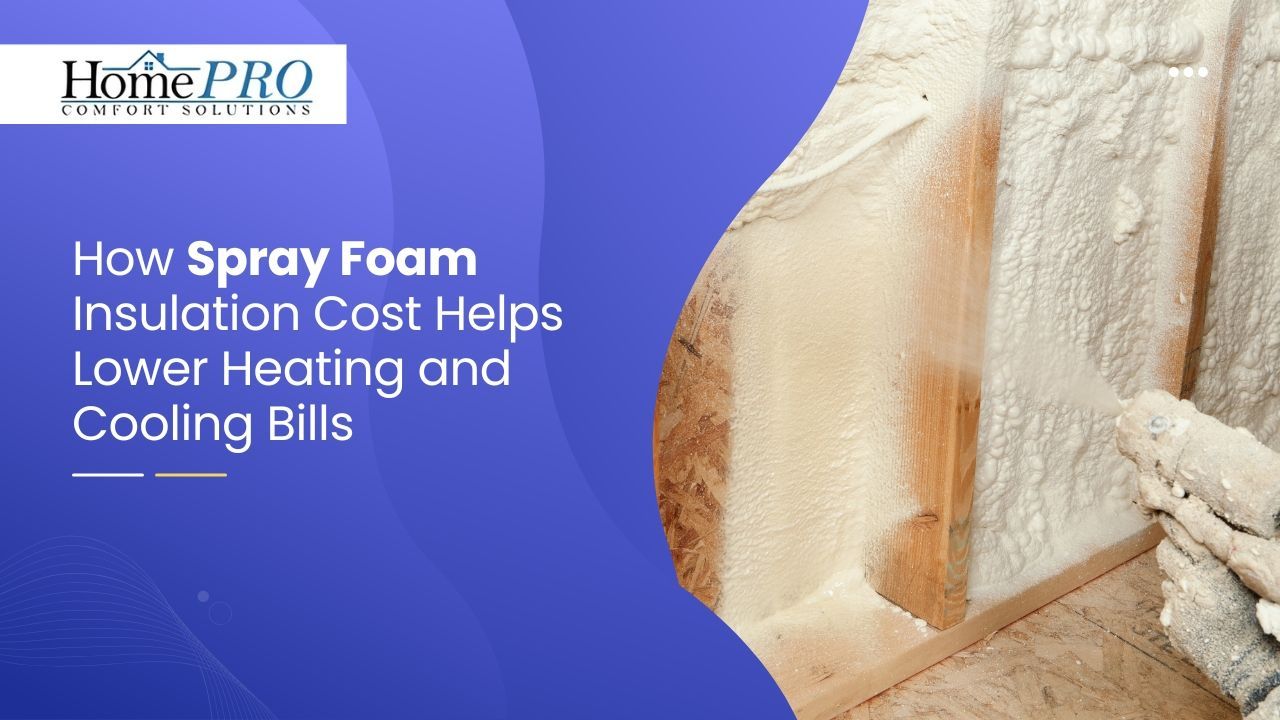
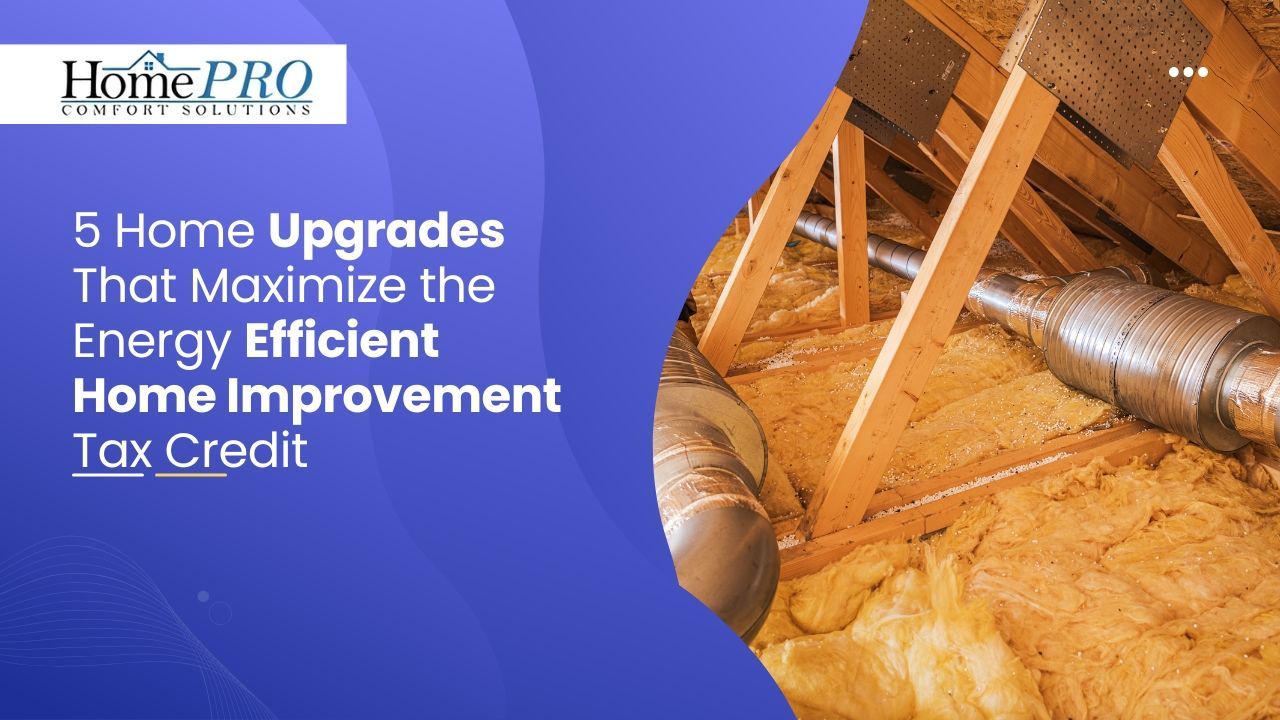
Blown-in fiberglass, spray foam, and air-sealing upgrades count, if they meet Energy Star standards. Proper insulation prevents air leaks, stabilizes indoor temperature, and reduces HVAC strain. And unlike aesthetic upgrades, it keeps paying dividends month after month.
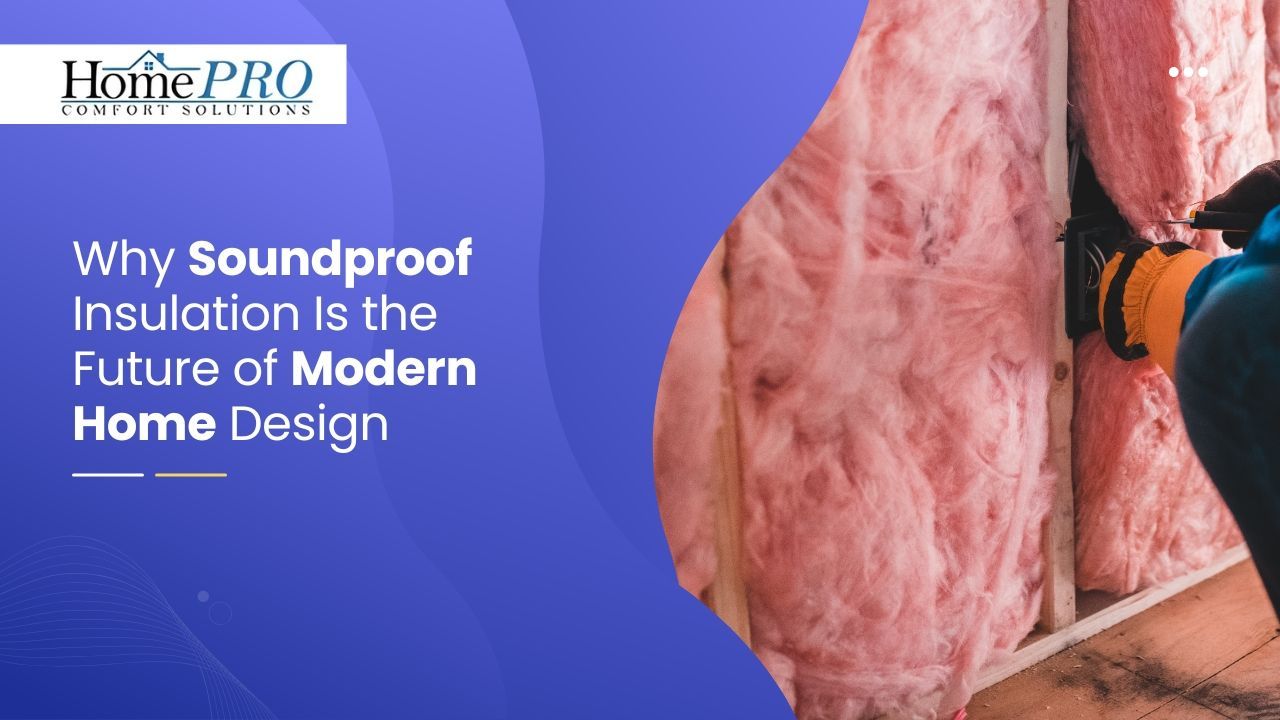
When insulation is done right, you don’t just feel the difference, you hear it in the silence of a quieter home, and you see it in the drop of your utility bill.
2. High-Efficiency HVAC Systems: Breathing New Life into Your Home
What’s the heart of your home? For many, it’s the HVAC system. It’s what keeps your family comfortable through freezing winters and humid summers. But an outdated or inefficient unit doesn’t just waste energy, it leaks money.
Installing an Energy Star–rated HVAC system can make you eligible for up to $2,000 in tax credits for home improvements under the 25C energy-efficient home improvement credit. That’s not counting the annual energy savings, which can average 15–25%.
Imagine breathing cleaner air, enjoying consistent temperatures, and knowing your investment earns a federal reward. That’s what modern HVAC systems deliver. When a homeowner calls HomePro Comfort Solutions for a system upgrade, they often start with discomfort, but they end with relief: lower bills, balanced rooms, and a quieter, healthier home.
3. Windows & Doors: Your Energy Gateways
Think about how often you walk past your windows or doors without realizing they’re the biggest culprits of energy loss. Those tiny drafts? They’re sneaky, persistent, and expensive.
Replacing outdated windows and doors with energy-efficient models can qualify for up to $600 in tax credits each year. To qualify, the new models must meet specific U-factor and SHGC ratings defined by the Department of Energy.
But here’s where the magic happens: energy-efficient windows don’t just seal your home, they upgrade its entire vibe. Natural light filters in more comfortably. Outside noise fades. And you gain a quiet confidence knowing your home is finally performing at its peak.
When you combine new windows and insulation, you create what experts call the “thermal envelope”, a shield that locks in comfort and locks out waste. It’s like giving your home armor that earns you money.
4. Solar Energy & Electrical Upgrades
The world is moving toward renewable energy, and the homes that follow are reaping both moral and financial rewards. Solar panels fall under a separate but complementary credit known as the Residential Clean Energy Credit, which allows homeowners to claim 30% of installation costs. But here’s the smart move: pairing solar with electrical system upgrades can help you qualify for the home energy improvement credit as well.
Updating your electrical panel, adding circuit breakers for clean energy systems, or improving home wiring infrastructure can all fall under 25C if they support renewable integration. In plain terms, if your upgrade makes your home ready for solar, electric vehicles, or energy storage systems, it’s likely eligible.
This isn’t just about saving power. It’s about future-proofing your home. In a world where energy independence is power (literally and figuratively), these upgrades turn your property into a forward-thinking investment.
5. Crawlspace & Attic Upgrades: The Comfort Zone You Forgot About
If your home were a living body, your crawlspace and attic would be its lungs. They breathe, filter, and circulate the air that defines how your home feels every day. But here’s what most people overlook: those same areas are often the biggest sources of energy waste.
Moisture buildup in the crawlspace, missing vapor barriers, or unsealed attic joints can let temperature-controlled air leak out constantly. The result? You pay for conditioned air that never stays where it’s supposed to.
Upgrading your crawlspace with proper insulation and encapsulation systems is one of the smartest ways to qualify for the home remodel tax credits under the Energy Efficient Home Improvement Credit 25C. When insulation in these hidden zones meets DOE standards, it not only stabilizes your home’s climate but also becomes tax-credit eligible.
Professionals like HomePro Comfort Solutions often recommend pairing attic air sealing with blown-in fiberglass or spray foam insulation to achieve full coverage. That combination traps comfort where you want it and prevents moisture-related damage that shortens the life of your HVAC system. Think of it as upgrading your home’s immune system; it quietly protects, stabilizes, and sustains.
What Makes an Upgrade Qualify for Energy-Efficient Home Improvement Credit?
Here’s a question most homeowners never ask, but should: How do I know if my upgrade qualifies for the energy-efficient home improvement credit?
The IRS lays it out clearly, but the language can be confusing. To qualify, your product must:
- Meet or exceed
Energy Star standards.
- Be
installed in your primary residence (not a rental).
- Be placed in service during the tax year you’re claiming the credit.
- Come with
manufacturer certification showing it meets 25C criteria.
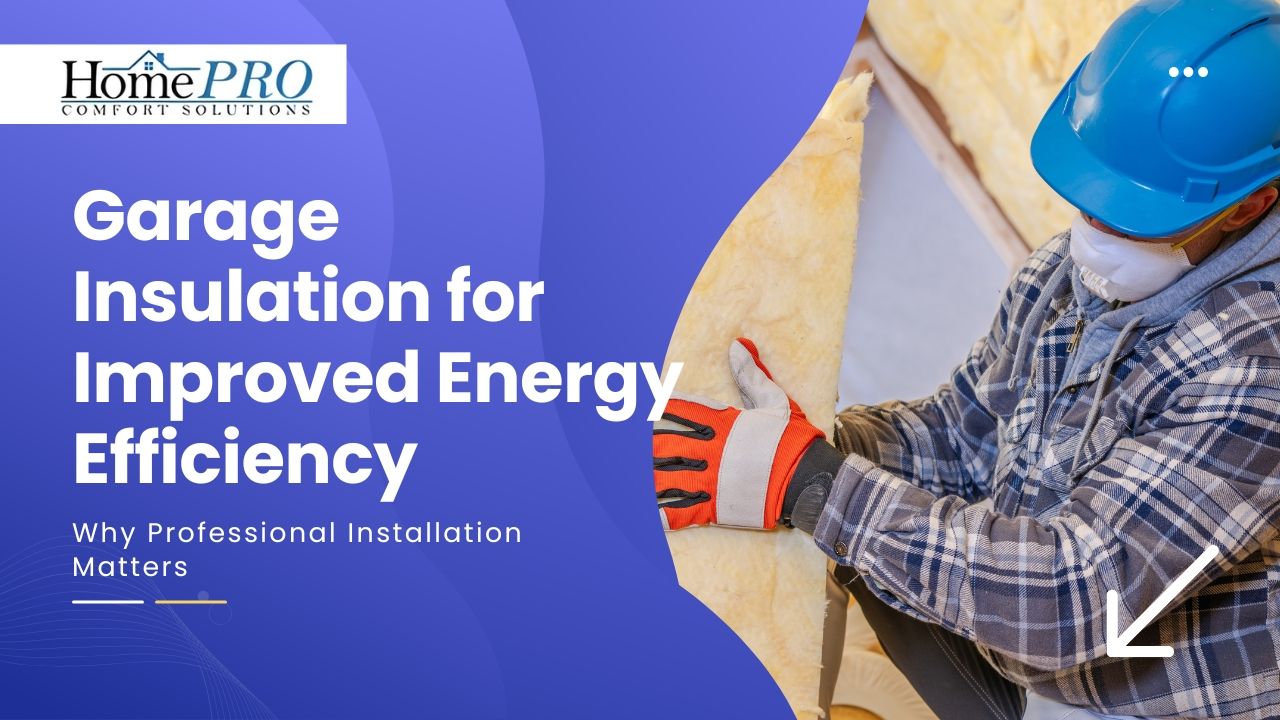
You can’t claim labor costs for most insulation or window installations, but you can for certain HVAC systems and heat pumps. That’s why professional installation and documentation are crucial. And this is where homeowners often stumble, buying energy-efficient equipment without verifying if it meets the latest federal qualifications.
Professionals who specialize in energy systems, like the team at HomePro Comfort, stay updated with IRS and DOE standards. They ensure your upgrades don’t just feel efficient; they qualify as efficient where it matters most: on your tax return.
How Much Can You Actually Save with the Energy-Efficient Home Improvement Credit?
That depends on what you upgrade and how strategic you are.
For 2025 and beyond, here’s the breakdown according to current IRS guidelines:
- Insulation, windows, doors, air sealing: 30% credit, capped at $1,200 annually.
- HVAC systems, heat pumps, water heaters: up to $2,000 per year.
- Electrical panels, upgrades, or wiring: included in the $1,200 annual cap.
- Combined maximum annual credit: $3,200.
That might not sound life-changing at first, but remember, these credits renew every year through 2032. You can stack multiple upgrades over time for maximum cumulative benefit.
If you plan strategically, starting with insulation, upgrading HVAC next year, and adding solar readiness the year after, you could save thousands in credits alone, not to mention reduced energy bills.
Are You Leaving Free Money on the Table?
Most homeowners are. They’ll replace an old water heater or add insulation, but never claim the energy-efficient home improvement credit 25C because they didn’t know it applied.
That’s why awareness is everything. Understanding the program’s structure, limits, and product requirements transforms your upgrades from random improvements into a financial strategy.
Imagine this: You invest $6,000 in insulation and air sealing. You qualify for a $1,200 credit this year, then install a high-efficiency heat pump next year and claim another $2,000. That’s $3,200 in credits, plus energy savings that continue every month for a decade.
It’s not just a smart move, it’s a reward for being proactive about your comfort, sustainability, and future value.
What Happens If You Upgrade Without Claiming the Credit?
This is a question that deserves a moment of reflection: What happens when you skip claiming the energy-efficient home improvement credit? In short, you lose money twice.
First, you miss out on the federal incentive that rewards you for being environmentally responsible. And second, you lose the opportunity to offset future upgrades strategically. Remember, the 25C energy-efficient home improvement credit is renewable every year until 2032. If you upgrade your HVAC this year and your insulation next year, both can qualify separately within their caps.
Not claiming means you start from zero each time. And once a tax year closes, you can’t retroactively grab those missed benefits. That’s why energy professionals now recommend homeowners document every qualified purchase, keep the product’s Energy Star certification, and ask their installer for itemized receipts. You’re not just filing for a credit, you’re building a history of smarter living.
How Can You Combine Upgrades for Maximum Tax Benefit?
It’s not about doing everything at once; it’s about doing everything strategically.
Many homeowners mistakenly assume they must invest in massive remodels to qualify for tax credits for home improvements. But the real trick lies in stacking smaller projects year by year to stay within annual limits while compounding the long-term savings.
Here’s an example strategy:
- Year 1: Upgrade insulation and air sealing → claim up to $1,200.
- Year 2: Install an Energy Star HVAC system → claim $2,000.
- Year 3: Replace windows and electrical panel → claim up to $1,200.
- Year 4: Add solar-readiness upgrades or efficient water heating → claim additional credits.
Each improvement builds upon the last, creating a layered system of comfort, performance, and eligibility. By the time you’ve cycled through all major upgrades, your home isn’t just energy efficient, it’s financially optimized. And that’s what separates a renovation from a reinvention.
Are Energy Efficiency Upgrades Worth It If You Plan to Sell Your Home?
Absolutely. Here’s something realtors and economists have agreed on for years: homes with energy-efficient improvements sell faster and at higher prices. Buyers aren’t just purchasing square footage; they’re buying future savings and comfort.
An insulated attic, a sealed crawlspace, or a high-efficiency HVAC system instantly communicates “low-maintenance, high-value.” Even if you don’t plan to stay for decades, the return on your home energy improvement credit often shows up twice: first through tax savings, and then again in resale value.
So, when you invest in upgrades that meet the energy-efficient home improvement credit criteria, you’re not just saving on taxes, you’re increasing the perceived worth of your property. Your home becomes a silent salesman.
What’s the Biggest Mistake Homeowners Make with the 25C Energy Efficient Home Improvement Credit?
Believing that every energy upgrade automatically qualifies. While the government encourages sustainability, it’s specific about what counts. The 25C tax credit applies only to installations that meet or exceed federal energy performance standards and are properly documented.
For example, installing generic fiberglass insulation from a hardware store might feel efficient, but if it doesn’t meet the right R-value or Energy Star criteria, it’s ineligible. Similarly, replacing windows that look efficient but lack the required SHGC and U-factor ratings won’t count either.
The solution? Work with licensed professionals who don’t just install, but verify compliance. Companies like HomePro Comfort Solutions are trained to identify qualifying materials, submit accurate paperwork, and provide the documentation needed for your accountant or tax preparer. Because in the end, an upgrade without certification is just an expense, not an investment.
Turning Energy Efficiency into Everyday Freedom
Energy efficiency isn’t just a technical upgrade; it’s a psychological one. Imagine walking into a home where every room feels just right. The temperature is steady, the air feels lighter, and the hum of your HVAC fades into the background. That's a comfort you can feel. But beyond that, it’s control you can count on, over your energy bills, your tax liabilities, and even your environmental footprint.
This is the philosophy behind every energy-efficient home improvement: it’s not about restriction, it’s about freedom. Freedom to live better, spend smarter, and own a home that respects both your wallet and the world around you. When done strategically, these upgrades give you the gift of compounding value, something few investments can promise.
Final Thoughts
Every decade brings a shift in how we define “a good home.” A century ago, it was running water. Fifty years ago, it was air conditioning. Today, it’s efficiency, how well your home balances comfort with conservation.
The energy-efficient home improvement credit 25C isn’t just a tax policy; it’s an invitation. It rewards homeowners who think ahead, who refuse to let their money leak through drafty doors or outdated systems.
So, before you tackle your next project, pause and ask: Will this upgrade pay me back? If the answer is yes, document it, verify it, and claim it. Because a smarter home is more than where you live, it’s how you thrive.
FAQs
What are energy-efficient improvements for tax purposes?
Energy-efficient improvements refer to qualified home upgrades, like insulation, Energy Star HVAC systems, high-performance windows, doors, or electrical upgrades, that reduce a home’s energy use. The IRS allows homeowners to claim a tax credit for home improvement costs related to these upgrades under Section 25C. The goal is simple: reward you for making your home more efficient and less wasteful.
When performed by professionals who ensure compliance, such as HomePro Comfort, these upgrades become both tax-smart and performance-driven.
What qualifies as energy-efficient home improvements?
According to IRS guidelines, qualified energy-efficient home improvements include:
- Insulation that meets minimum R-value standards.
- Energy Star–certified windows, doors, and skylights.
- High-efficiency HVAC systems, heat pumps, or water heaters.
- Electrical panels or wiring upgrades that support renewable energy systems.
- Air sealing and weatherization that reduce energy loss.
Each of these can qualify for up to 30% of costs, with annual limits based on the type of improvement. Always retain receipts and manufacturer certification statements to confirm eligibility.
What is the 25C tax credit?
The 25C Energy Efficient Home Improvement Credit is a federal program that allows homeowners to claim 30% of the cost of eligible energy-efficient home upgrades, up to $3,200 annually, through 2032.
It covers improvements like insulation, HVAC systems, energy-efficient windows and doors, and certain electrical enhancements. Unlike a deduction, a tax credit directly reduces the tax you owe, making it one of the most powerful financial incentives for home improvement today.
When managed thoughtfully, the 25C credit transforms ordinary upgrades into lasting investments in comfort, savings, and sustainability.