
How Spray Foam Insulation Cost Helps Lower Heating and Cooling Bills
When you step into your home, comfort isn’t just about furniture or décor. It’s about how your house feels, the air you breathe, and the balance between chilly winters and scorching summers. At HomePro Comfort Solutions, we often meet homeowners who are frustrated by uneven temperatures, high energy bills, and constantly running heating or cooling systems.
This is where spray foam insulation becomes more than just an upgrade; it’s an investment. Understanding spray foam insulation cost isn’t about seeing numbers on a sheet. It’s about knowing how much value, comfort, and energy efficiency you can gain for your home.
Why Spray Foam Insulation Makes a Difference
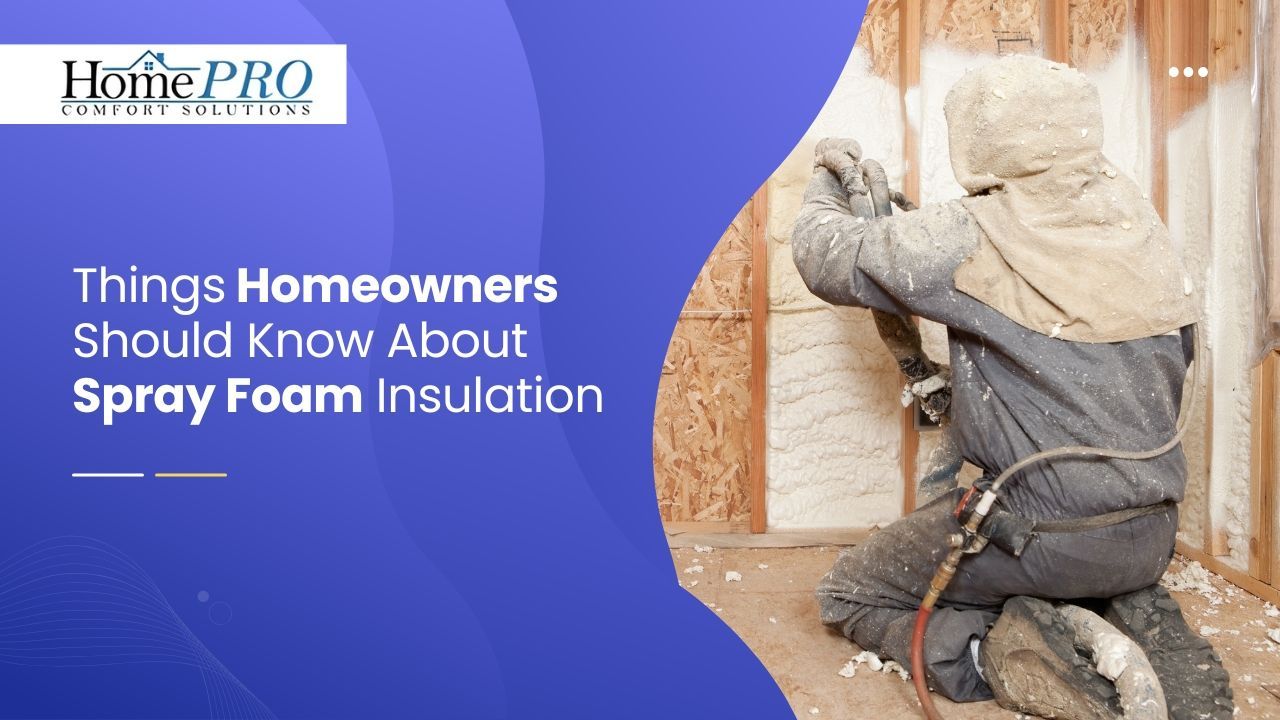
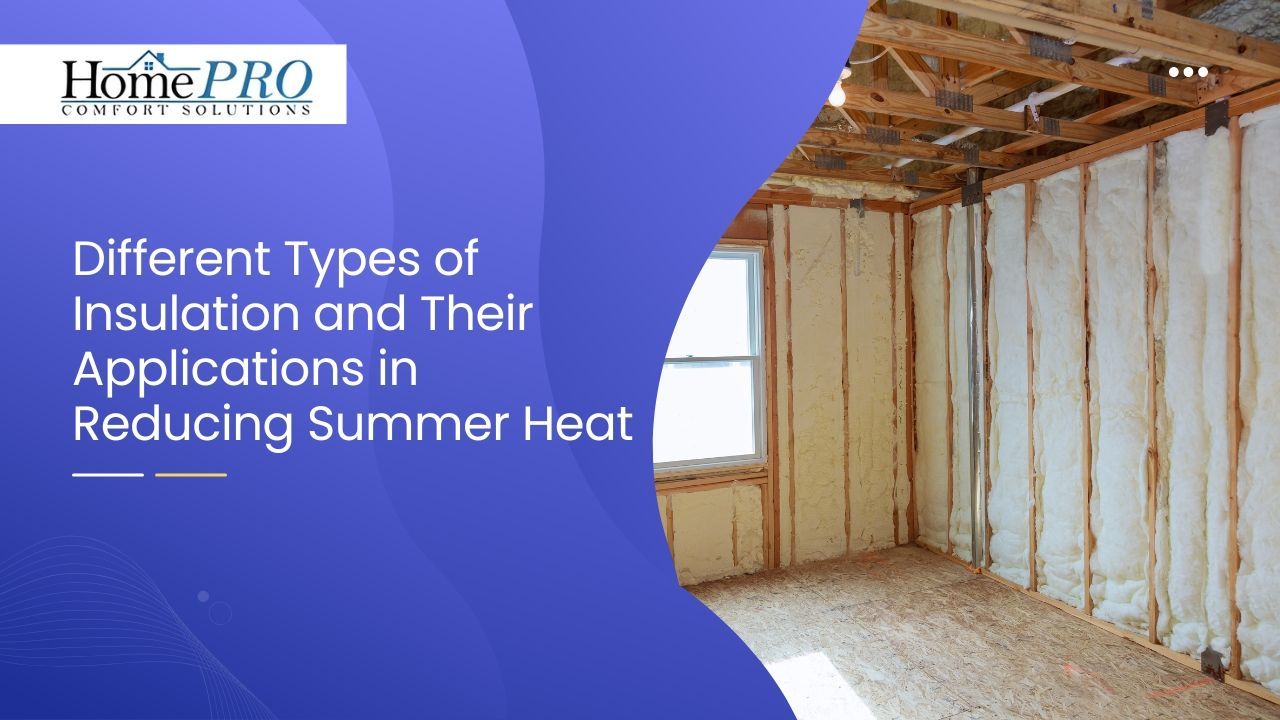
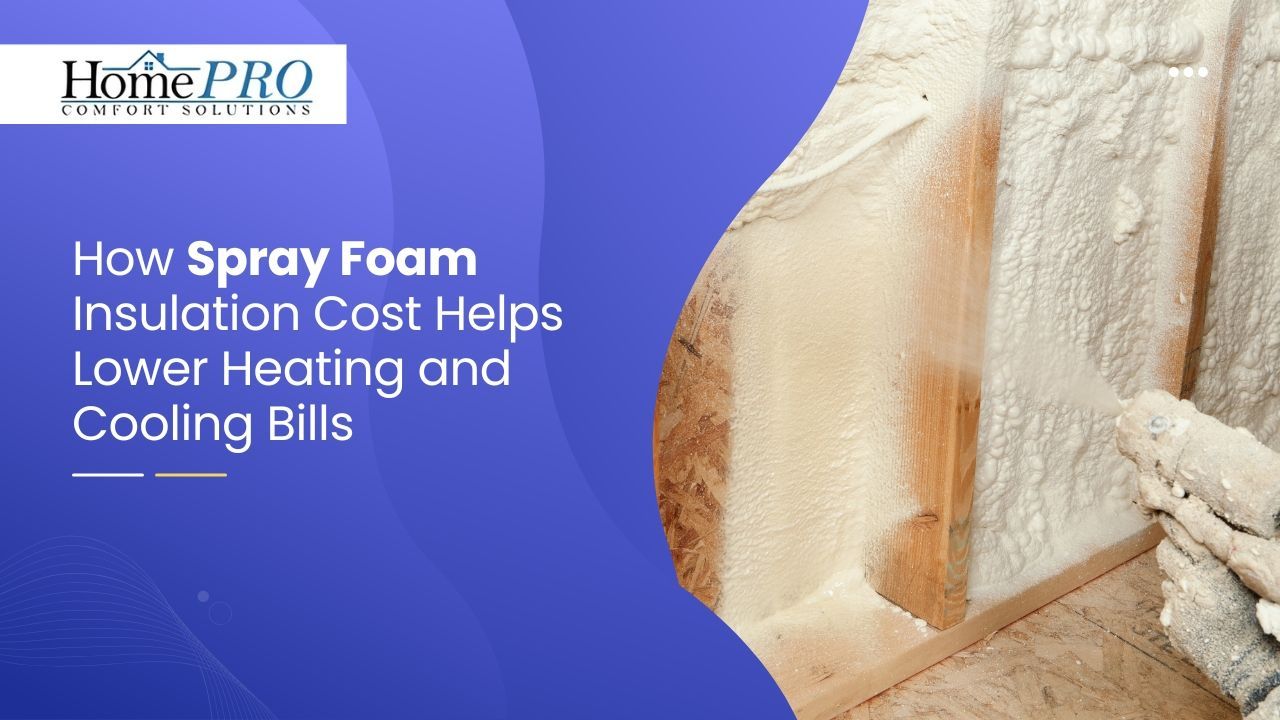
Spray foam insulation works as a powerful barrier that stops air leaks and maintains the desired indoor temperature. Unlike traditional materials, it expands to fill every crack, gap, and crevice, leaving no space wasted.
Closed-cell foam offers higher thermal resistance, which means better insulation per inch. Open-cell foam is flexible, cost-effective, and ideal for interior walls where moisture control is less critical. Homeowners often ask, “Is spray foam insulation worth the cost?” The answer is yes, when installed by certified spray foam insulation contractors, it not only improves comfort but also reduces heating and cooling bills significantly over time.
What Determines the Price of Spray Foam Insulation?
Several factors influence spray foam insulation cost per square foot. Home size and layout are major considerations. Larger homes or irregular spaces require more material and labor, naturally increasing the cost. The type of spray foam also matters. Closed-cell foam insulation costs more than open-cell, but it provides superior energy savings and durability.
Accessibility plays a role as well. Attics, crawlspaces, and wall cavities often require specialized equipment for proper installation. And finally, the scope of your project, whether it’s a single room, an entire attic, or a crawlspace, impacts both material and labor expenses. Understanding these factors helps homeowners plan wisely and see how their investment will pay off in reduced energy bills.
How Spray Foam Insulation Cuts Heating and Cooling Bills
One of the most compelling reasons to choose spray foam is its energy-saving potential. Homes with poor insulation experience temperature fluctuations and higher utility costs. Spray foam minimizes these inefficiencies by sealing the home’s envelope tightly.
Winter savings come from retaining heated air. Instead of letting warm air escape through gaps, spray foam keeps rooms cozy without overworking the furnace. In summer, it prevents cool air from leaking, reducing the need for constant air conditioning. Over time, many homeowners discover that the average cost of spray foam insulation is offset by substantial reductions in energy bills.
Low-Cost Spray Foam Insulation: Should You Consider It?
When homeowners see advertisements for low-cost spray foam insulation, it can be tempting. But cutting corners often results in uneven coverage, reduced effectiveness, and higher costs down the line. Working with reputable spray foam insulation contractors ensures professional installation, proper measurement in board feet, and long-lasting energy savings.
Here are the key benefits of choosing quality spray foam:
- Accurate coverage and proper density for maximum R-value
- Long-lasting protection against drafts, moisture, and temperature swings
- Assurance that the spray foam insulation will deliver true energy savings
Understanding Spray Foam Insulation Cost per Square Foot
Homeowners frequently ask, “How much does spray foam insulation cost per square foot?” The answer varies by foam type, project scope, and installation complexity. Open-cell foam is generally more affordable, while closed-cell foam offers higher efficiency and structural benefits.
A professional spray foam insulation cost estimator can calculate a tailored quote for your home. Knowing the home insulation prices upfront allows you to budget confidently and anticipate the long-term energy savings from the upgrade.
Is Spray Foam Insulation Right for Your Home?
If you’re wondering whether spray foam insulation is a wise choice, consider your home’s current comfort and efficiency. Uneven room temperatures, rising energy bills, or persistent cold and hot spots all signal the need for better insulation. Spray foam addresses these challenges directly, creating a consistent indoor climate and protecting your home from moisture and mold.
Investing in spray foam insulation is not just a comfort decision; it’s an investment in energy efficiency, reduced utility bills, and long-term home value. Homeowners who upgrade often report a noticeable improvement in indoor air quality and consistent temperatures throughout the year.
How Spray Foam Works with Other Home Solutions
Spray foam insulation is most effective when combined with complementary home comfort solutions. Attic fans improve airflow without compromising the home’s energy envelope. Crawlspace encapsulation prevents moisture buildup, and window film or solar solutions further enhance energy efficiency. Together, these services create a home that’s comfortable, cost-effective, and protected from seasonal extremes.
Environmental Impact and Long-Term Savings
Beyond immediate energy savings, spray foam insulation contributes to sustainability. By reducing your home’s energy demand, you lower your carbon footprint. For eco-conscious homeowners, the spray foam insulation becomes an investment not just in comfort, but in a more responsible way of living.
Comparing Spray Foam Insulation With Other Insulation Options
When considering insulation upgrades, many homeowners compare spray foam with traditional options like fiberglass or cellulose. Understanding the differences helps you make an informed investment.
Spray foam offers higher energy efficiency per inch of material. While fiberglass batts may seem cheaper upfront, they often leave gaps that allow air leakage, reducing effectiveness. In contrast, spray foam expands to fill every crack, creating a complete air seal.
The average cost of spray foam insulation may be higher initially, but the long-term energy savings often surpass the initial investment. Lower utility bills, improved comfort, and reduced maintenance costs collectively justify the upfront price. Homeowners who evaluate the lifetime value rarely regret the choice.
How to Maximize Energy Savings From Spray Foam
Simply installing spray foam isn’t enough to achieve maximum efficiency. Strategic planning and professional installation make a big difference.
Start with an energy evaluation to identify where heat loss or gain is most significant. Many homes have hidden problem areas such as attic corners, wall cavities, and crawlspaces that traditional insulation misses. Spray foam installers near you often emphasize addressing these areas first to ensure optimal performance.
Next, pair insulation with complementary home solutions. Sealing gaps around windows and doors, installing attic fans, and applying window film can amplify energy savings. In some cases, integrating solar solutions allows homeowners to generate energy efficiently while keeping their indoor temperature stable.
Finally, schedule regular maintenance checks. Although spray foam is largely maintenance-free, inspecting for cracks or settling ensures long-term effectiveness and continued reduction in heating and cooling bills.
The Role of Foam Type in Spray Foam Insulation Cost
Not all spray foam is created equal. HomePro Comfort Solutions offers both open-cell and closed-cell spray foam, each with distinct benefits:
Open-cell foam is softer, cost-effective, and ideal for interior spaces where moisture control isn’t critical. Its lower spray foam insulation cost per square foot makes it appealing for budget-conscious homeowners.
Closed-cell foam, while more expensive, offers superior R-value and moisture resistance. It also strengthens the structure of walls and ceilings. For homes in humid climates or areas prone to leaks, closed-cell foam is often the better long-term investment.
Understanding the differences helps homeowners choose the right material for their needs, ensuring that the spray foam insulation aligns with both comfort goals and energy savings.
Can Spray Foam Pay for Itself?
A common question is: “Will the spray foam insulation pay for itself?” The answer depends on several factors:
- Your home’s current insulation quality
- Energy consumption patterns
- Local climate and seasonal temperature extremes
Homes with poor existing insulation can see 20% to 50% reductions in heating and cooling costs after spray foam installation. For many homeowners, these savings mean the spray foam insulation is recouped in just a few years. Additionally, improvements in indoor comfort and air quality make the investment worthwhile beyond mere dollars.
DIY vs Professional Installation: Why Experience Matters
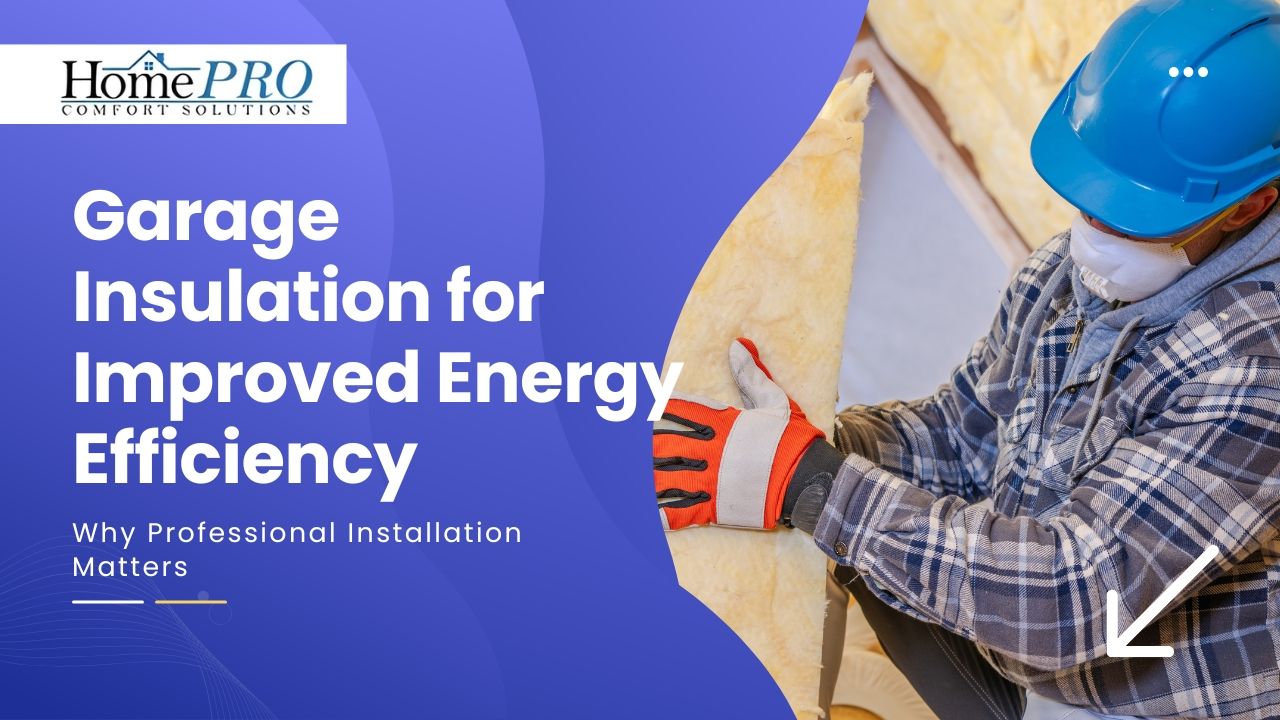
It might be tempting to attempt DIY spray foam insulation to save money. However, improper installation can result in uneven coverage, air leaks, or even chemical hazards. Certified spray foam insulation contractors bring the expertise, equipment, and safety measures needed for effective, long-lasting results.
Professional installers consider home layout, accessibility, and ventilation, ensuring the foam expands evenly and seals all problem areas. By investing in experienced installers, homeowners protect their investment and maximize both comfort and energy savings.
Local Factors Affecting the Price of Spray Foam Insulation
HomePro Comfort Solutions serves the Loganville, GA area and surrounding regions. Local climate and building codes influence both the spray foam insulation price and energy efficiency results.
- Temperature Extremes: Homes in areas with hot summers or cold winters benefit most from spray foam’s insulating power.
- Humidity and Moisture: Proper closed-cell foam application in crawlspaces and attics prevents moisture accumulation and mold growth.
- Home Age: Older homes often have gaps, drafts, or uneven construction, making spray foam particularly effective in reducing heating and cooling bills.
Considering local factors ensures the installation not only fits your home but also delivers maximum return on investment.
Common Misconceptions About the Price of Spray Foam Insulation
Some homeowners hesitate due to misconceptions about spray foam:
- “It’s too expensive for my budget.” While the upfront cost can be higher than fiberglass, energy savings and comfort gains usually outweigh the initial investment. Many find that the average cost of spray foam insulation pays for itself in a few years.
- “Spray foam is only for new construction.” On the contrary, spray foam can be retrofitted in attics, crawlspaces, and existing walls to improve efficiency in older homes.
- “All spray foam is the same.” Foam quality, installation technique, and contractor experience affect results significantly. Choosing reputable professionals ensures you receive the expected performance and durability.
Addressing these misconceptions helps homeowners make informed, confident decisions.
Step-by-Step: What to Expect During Installation
Understanding the installation process helps homeowners anticipate the project timeline and costs.
The first step is a home assessment to determine the areas that require insulation. Spray foam contractors measure the space, identify air leaks, and recommend open-cell or closed-cell foam based on home needs.
Next, preparation involves clearing the area and protecting surfaces. The foam is then applied in layers, expanding to seal all gaps. After curing, the area is inspected for proper coverage and effectiveness. Finally, homeowners receive guidance on maintaining insulation performance and monitoring energy savings over time.
By knowing what to expect, homeowners feel in control of the spray foam insulation and understand the value behind their investment.
Energy Bill Comparisons: Spray Foam vs Other Insulations
Over time, the difference becomes clear. A home with traditional fiberglass or cellulose insulation often suffers from temperature swings and higher utility bills. Spray foam, by contrast, creates a sealed environment, keeping heat in during winter and cool air in during summer.
Homeowners often report immediate changes after installation: fewer drafts, more even temperatures, and noticeable reductions in energy consumption. Calculating savings over the years demonstrates that the spray foam insulation cost per square foot translates into substantial long-term benefits.
FAQs
How much is spray foam insulation?
Spray foam insulation cost typically ranges from
$1.50 to $3.50 per board foot, depending on your home size, type of foam, and installation complexity. Investing in professional installation ensures maximum energy savings.
How much does spray foam insulation cost per square foot?
Open-cell foam generally costs
$0.44–$0.65 per square foot, while closed-cell foam ranges from
$1.00–$1.50 per square foot. Use a spray foam insulation cost estimator for precise, home-specific quotes.
What is a board foot of spray foam?
A
board foot measures volume (1 foot x 1 foot x 1 inch) to calculate material needs. Contractors use this unit to ensure correct coverage, helping homeowners understand the home insulation prices accurately.